Introduction
As governments continue to restrict single-use plastics and consumers demand greener alternatives, disposable tableware has entered a new era. Restaurants, hotels, catering companies, cafés, supermarkets, and food delivery businesses are all looking for sustainable solutions that reduce environmental impact without sacrificing performance.
Among the most popular options available today are bagasse tableware, paper tableware, PLA cutlery, and bamboo tableware. Each material offers different advantages in terms of sustainability, durability, heat resistance, microwave safety, cost, and export potential.
So, which disposable tableware is the best choice for your business?
In this guide, we compare the four leading eco-friendly materials to help buyers make informed purchasing decisions.
What Is Bagasse Tableware?
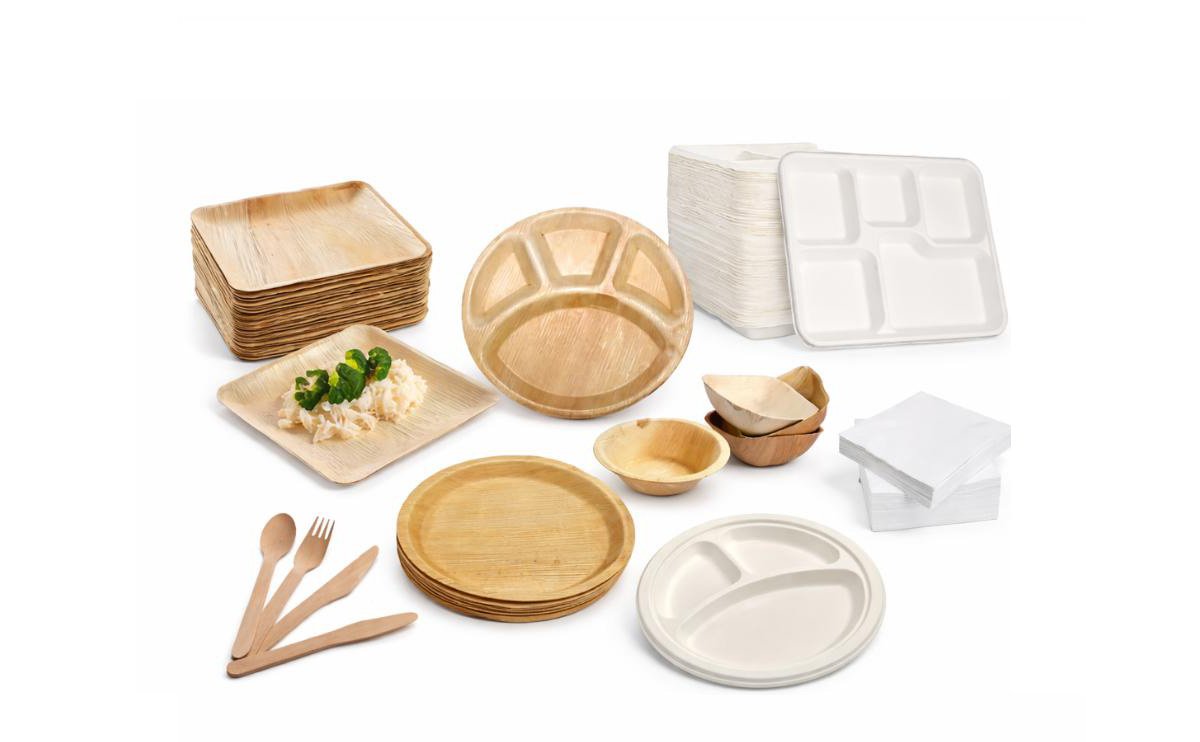
Bagasse tableware is manufactured from sugarcane fiber, a natural by-product left after extracting juice from sugarcane. Instead of being discarded or burned, the fiber is molded into plates, bowls, trays, food containers, and clamshell boxes.
Advantages
- Made from renewable agricultural waste
- 100% compostable under industrial composting conditions
- Strong and durable
- Oil and water resistant
- Suitable for hot and cold foods
- Microwave safe
- Free from traditional plastic
Best Applications
- Restaurants
- Takeaway packaging
- Catering services
- Airline meals
- Food trucks
- School cafeterias
Bagasse has become one of the fastest-growing materials in sustainable food packaging because it combines excellent performance with competitive pricing.
What Is Paper Tableware?
Paper tableware is typically made from virgin paper pulp or recycled paper. It includes paper plates, cups, trays, and bowls, often coated to improve moisture resistance.
Advantages
- Lightweight
- Attractive printing quality
- Wide variety of designs
- Easy branding and customization
- Competitive pricing
Limitations
- Lower heat resistance than bagasse
- Some coated products are not compostable
- Less rigid when holding heavy foods
Paper products are ideal for bakeries, cafés, fast-food restaurants, and promotional events where appearance and branding are important.
What Is PLA Cutlery?
PLA (Polylactic Acid) is a bio-based plastic made primarily from renewable plant starches such as corn.
PLA cutlery offers the familiar appearance of plastic while reducing dependence on petroleum-based materials.
Advantages
- Made from renewable resources
- Smooth surface
- Attractive appearance
- Lightweight
- Suitable for cold food applications
Limitations
- Lower heat resistance
- May deform under high temperatures
- Generally not microwave safe
- Requires industrial composting facilities
PLA is commonly used for forks, knives, spoons, straws, and cold beverage cups.
What Is Bamboo Tableware?
Bamboo is one of the world's fastest-growing renewable plants.
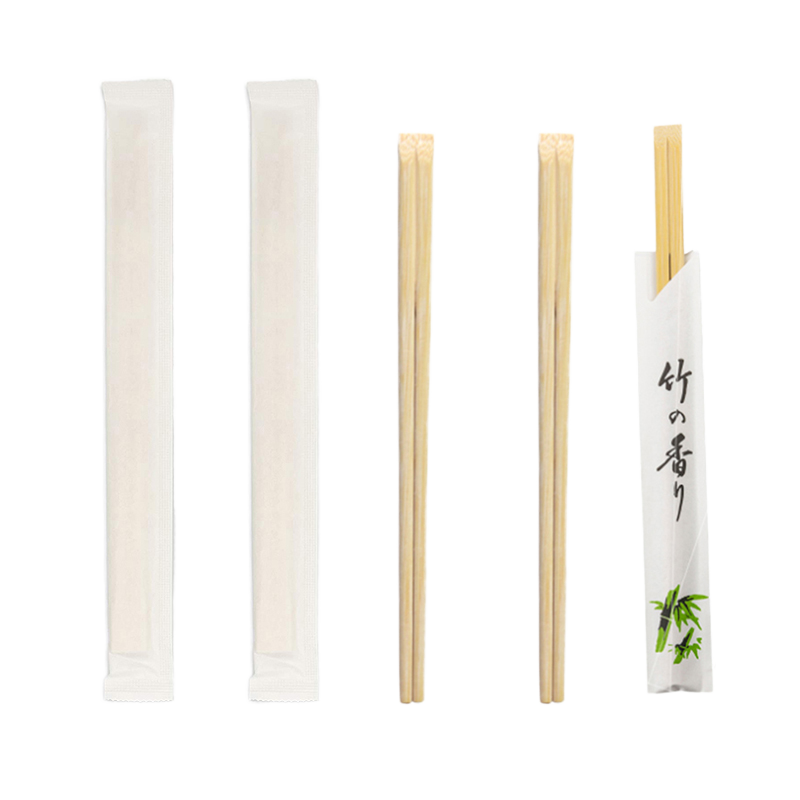
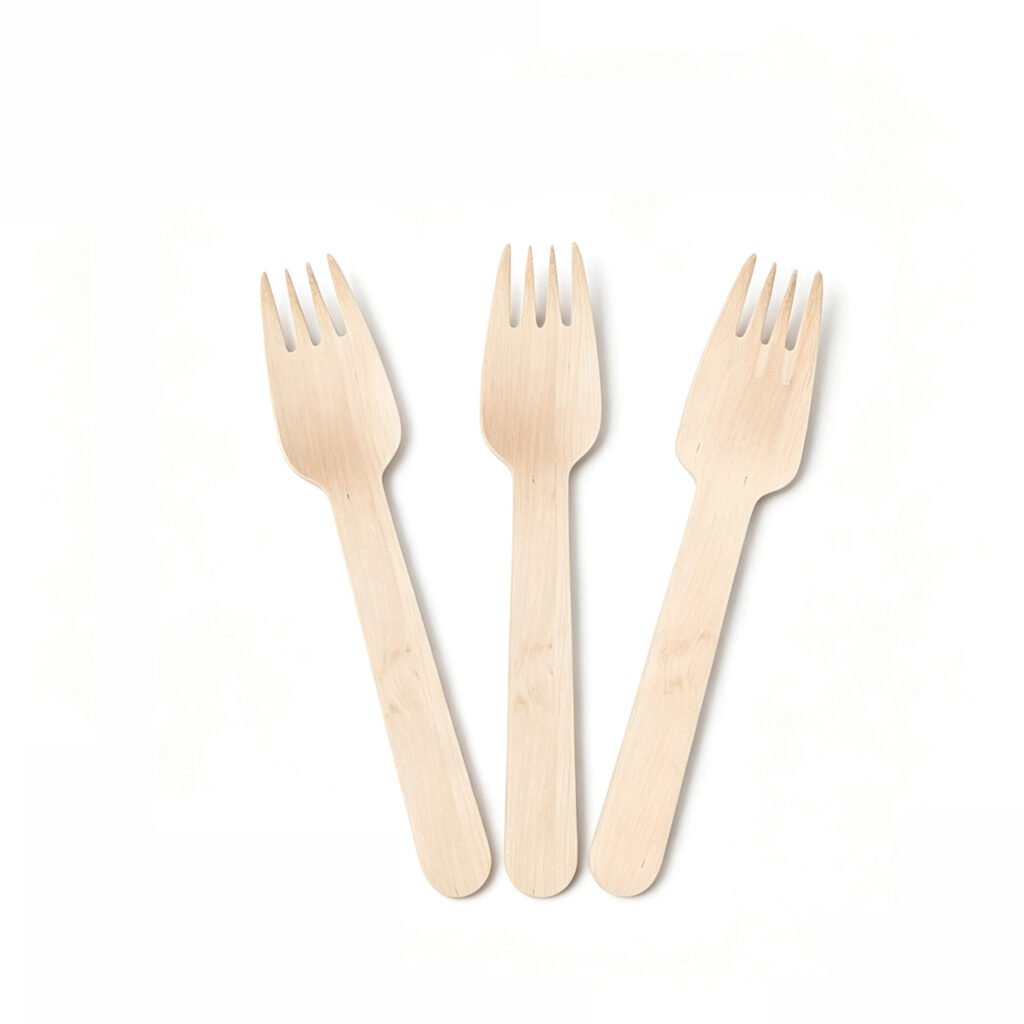
Disposable bamboo tableware includes forks, knives, spoons, skewers, chopsticks, and serving trays.
Advantages
- Natural appearance
- Premium texture
- High strength
- Excellent heat resistance
- Plastic-free
- Renewable material
Limitations
- Higher production cost
- Longer manufacturing process
- Limited product variety compared with bagasse
Many premium restaurants and eco-conscious brands prefer bamboo products because of their elegant appearance and excellent customer experience.
Material Comparison
| Feature | Bagasse | Paper | PLA | Bamboo |
|---|
| Eco-Friendly | ⭐⭐⭐⭐⭐ | ⭐⭐⭐⭐ | ⭐⭐⭐⭐ | ⭐⭐⭐⭐⭐ |
| Compostable | Yes* | Some products | Industrial only | Yes |
| Heat Resistance | Excellent | Moderate | Low | Excellent |
| Microwave Safe | Yes | Some products | No | Yes |
| Oil Resistance | Excellent | Moderate | Good | Excellent |
| Water Resistance | Excellent | Moderate | Good | Excellent |
| Appearance | Natural | Customizable | Plastic-like | Premium |
| Cost | Medium | Low | Medium | High |
| Export Popularity | Very High | High | High | Medium |
*Industrial composting conditions may be required depending on the product specification.
Which Material Is the Most Environmentally Friendly?
If sustainability is your top priority, bagasse tableware and bamboo tableware are generally the strongest choices.
Both materials come from renewable plant resources and can significantly reduce reliance on conventional plastics. Bagasse also helps utilize agricultural by-products that might otherwise become waste.
Paper products are also environmentally friendly when responsibly sourced, although coatings may affect recyclability or compostability.
PLA reduces the use of fossil fuels but typically requires industrial composting systems to break down efficiently.
Which Material Handles High Temperatures Best?
For hot meals, soups, and freshly cooked foods:
🥇 Bagasse
🥈 Bamboo
🥉 Paper
PLA should generally be reserved for cold foods because excessive heat may soften or deform the material.
Which Products Are Microwave Safe?
Microwave compatibility is important for restaurants and meal delivery services.
Microwave Safe
- Bagasse tableware
- Most bamboo tableware
- Some paper products (depending on coating)
Not Recommended
Always verify product specifications before commercial use.
Which Option Is the Most Cost-Effective?
Pricing depends on order volume, customization, raw material costs, and shipping.
Generally:
Paper < Bagasse ≈ PLA < Bamboo
Paper remains the lowest-cost solution for many applications.
Bagasse provides one of the best balances between price and performance.
Bamboo offers premium quality but comes at a higher price point.
Which Material Is Best for Export?
For international wholesale buyers, bagasse has become one of the most popular export products because it offers:
- Excellent durability during shipping
- Strong consumer acceptance
- Growing demand worldwide
- Wide product range
- Competitive manufacturing costs
- Compliance with many sustainable packaging requirements
Paper products are also widely exported, while bamboo is often positioned as a premium product.
PLA remains popular in markets where compostable bioplastics are well established.
How to Choose the Right Disposable Tableware
Different industries have different priorities.
Restaurants
Recommended:
Bagasse or bamboo
Coffee Shops
Recommended:
Paper tableware
Food Delivery
Recommended:
Bagasse
Luxury Hotels
Recommended:
Bamboo
Outdoor Events
Recommended:
Bagasse or paper
Supermarkets
Recommended:
Paper or bagasse
Catering Companies
Recommended:
Bagasse
Frequently Asked Questions
Is bagasse better than paper?
Bagasse generally offers better strength, heat resistance, and oil resistance, making it ideal for hot food applications.
Is PLA biodegradable?
PLA is bio-based but usually requires industrial composting facilities for effective decomposition.
Is bamboo stronger than bagasse?
Bamboo is extremely strong and has a premium appearance, but bagasse provides a wider range of products at a more economical price.
Which disposable tableware is the cheapest?
Paper products are typically the most affordable, while bamboo is usually the most expensive.
Which disposable tableware is best for food delivery?
Bagasse tableware is often considered the best choice because it combines durability, heat resistance, leak resistance, and sustainability.
Conclusion
There is no single solution that fits every business.
- Bagasse tableware offers the best overall balance of sustainability, durability, microwave safety, and value.
- Paper tableware is ideal for branding and budget-conscious applications.
- PLA cutlery works well for cold food and beverage service where a plastic-like appearance is preferred.
- Bamboo tableware provides a premium, natural presentation for high-end hospitality and eco-conscious brands.
When selecting disposable tableware, consider your target market, food type, budget, local regulations, and sustainability goals. Choosing the right material not only improves customer satisfaction but also strengthens your brand's environmental commitment.