Bagasse Tableware
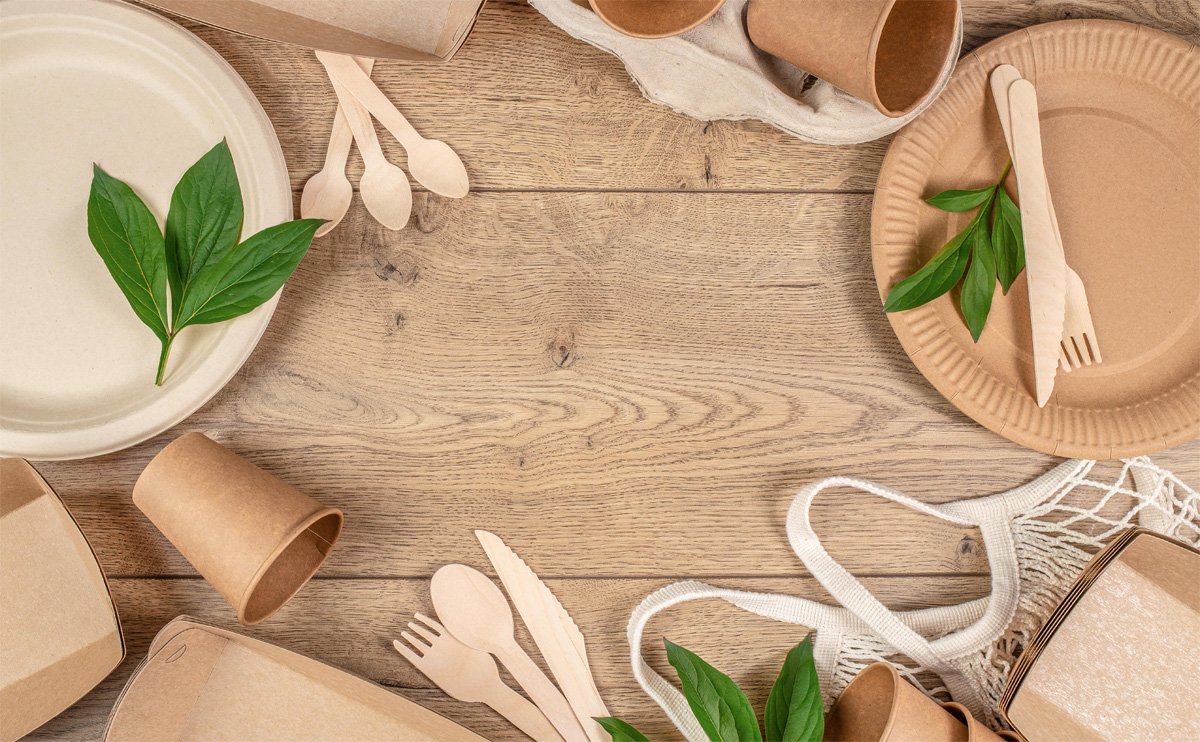
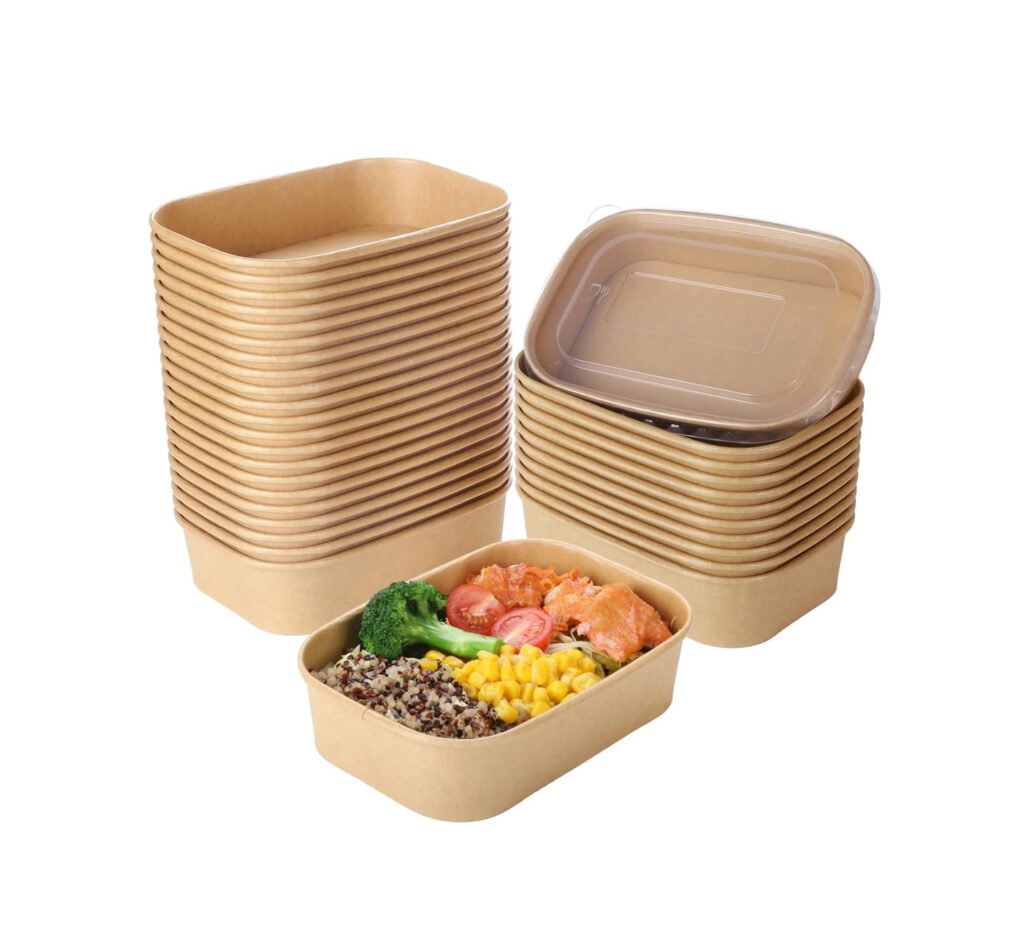
Bagasse is made from sugarcane fiber and is one of the most popular compostable materials.
Advantages:
✔ Strong structure
✔ Heat resistant
✔ Microwave safe
✔ Oil and water resistant
✔ Suitable for hot food
Best for:
- Restaurants
- Catering
- Takeaway
- Meal delivery
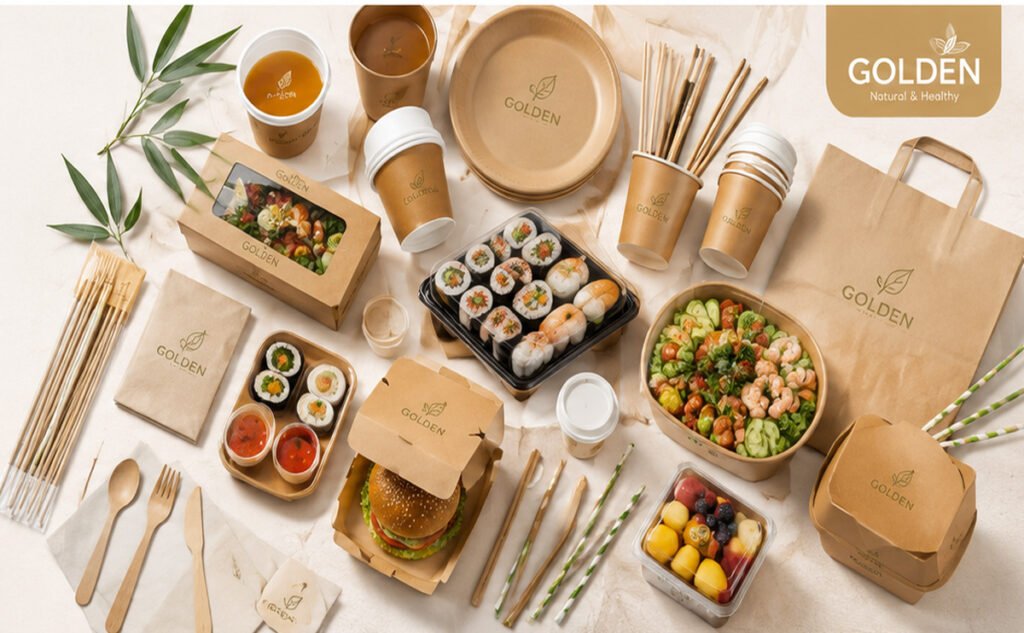
Paper Tableware
Paper products are lightweight and affordable.
Advantages:
✔ Low cost
✔ Easy customization
✔ Good printing quality
Best for:
- Cafés
- Events
- Fast food
- Promotional activities
However, buyers should check whether the coating is environmentally friendly and suitable for composting.
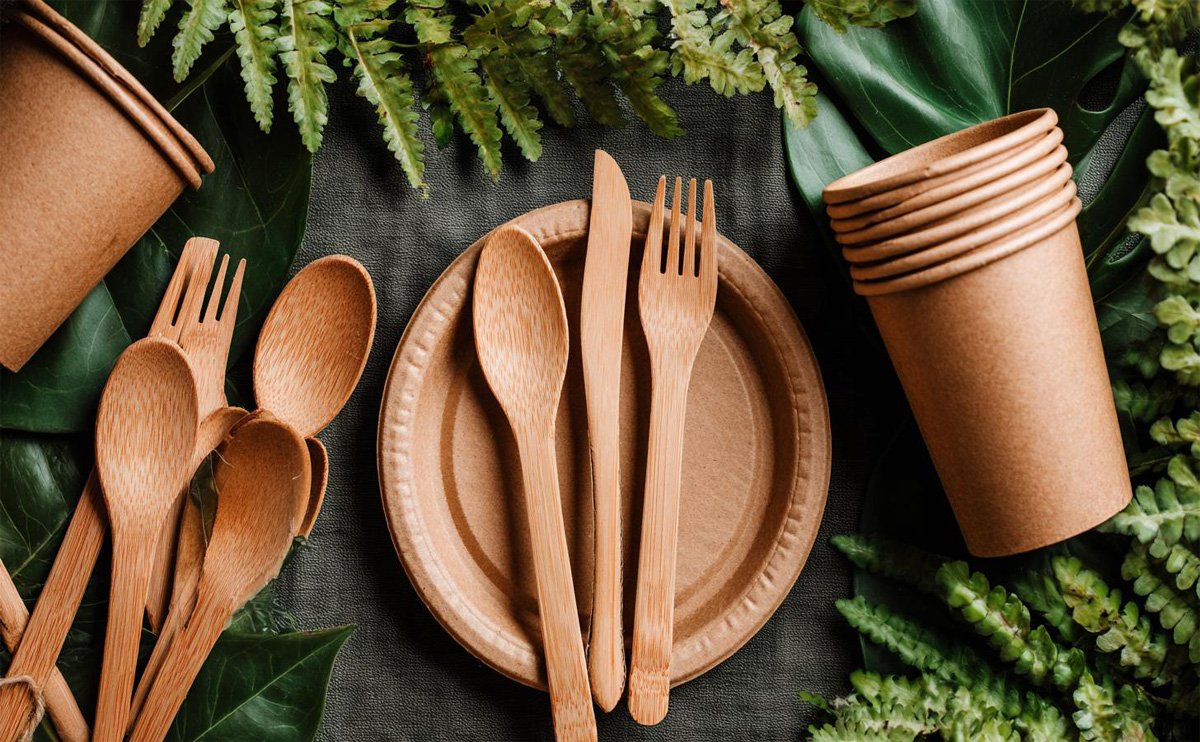
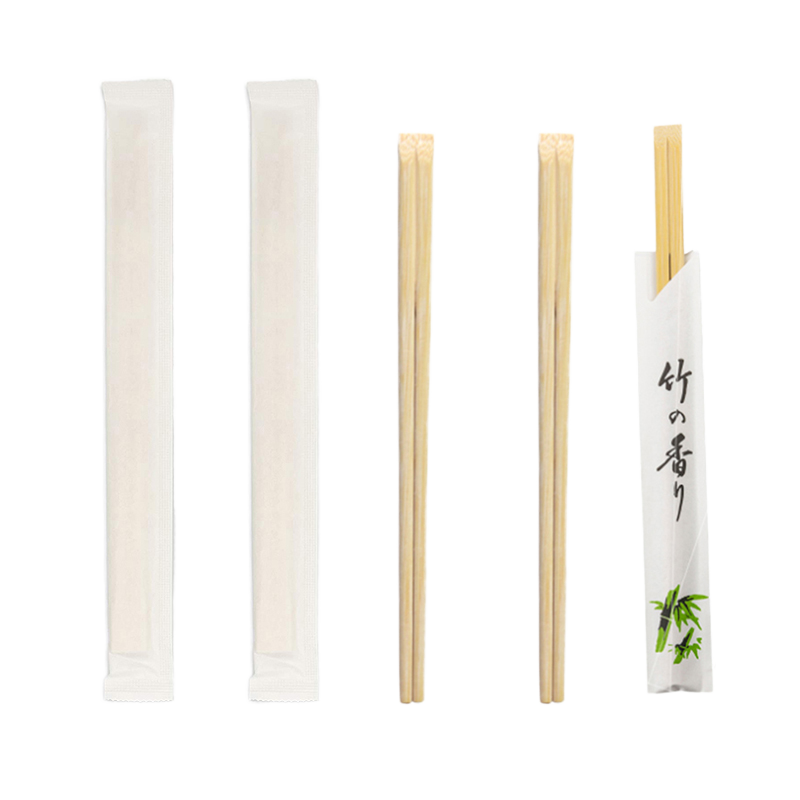
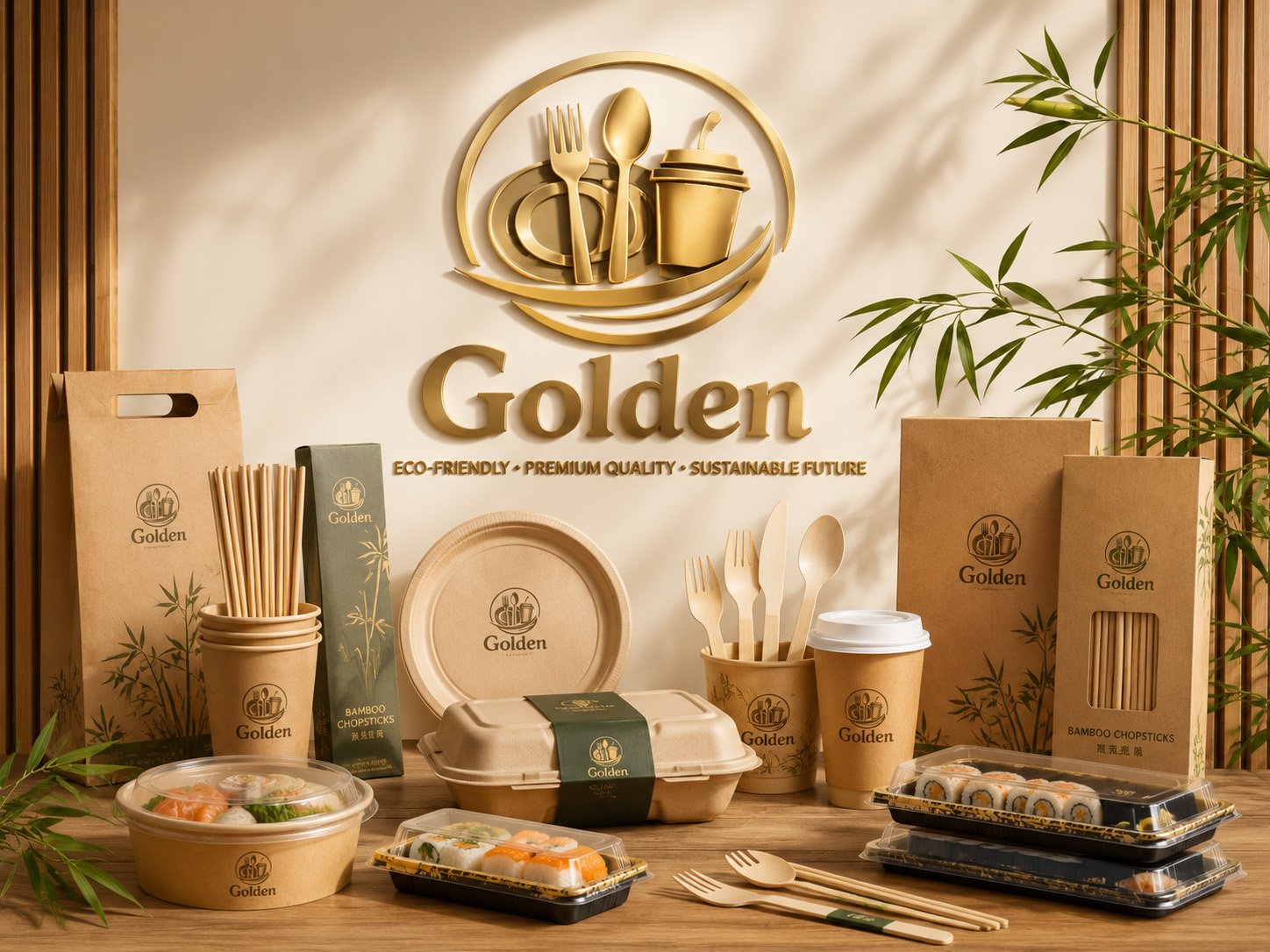
Bamboo Tableware
Bamboo provides a natural premium appearance.
Advantages:
✔ Renewable material
✔ Strong and durable
✔ Elegant design
✔ Suitable for premium dining
Best for:
- Hotels
- Weddings
- Luxury catering events
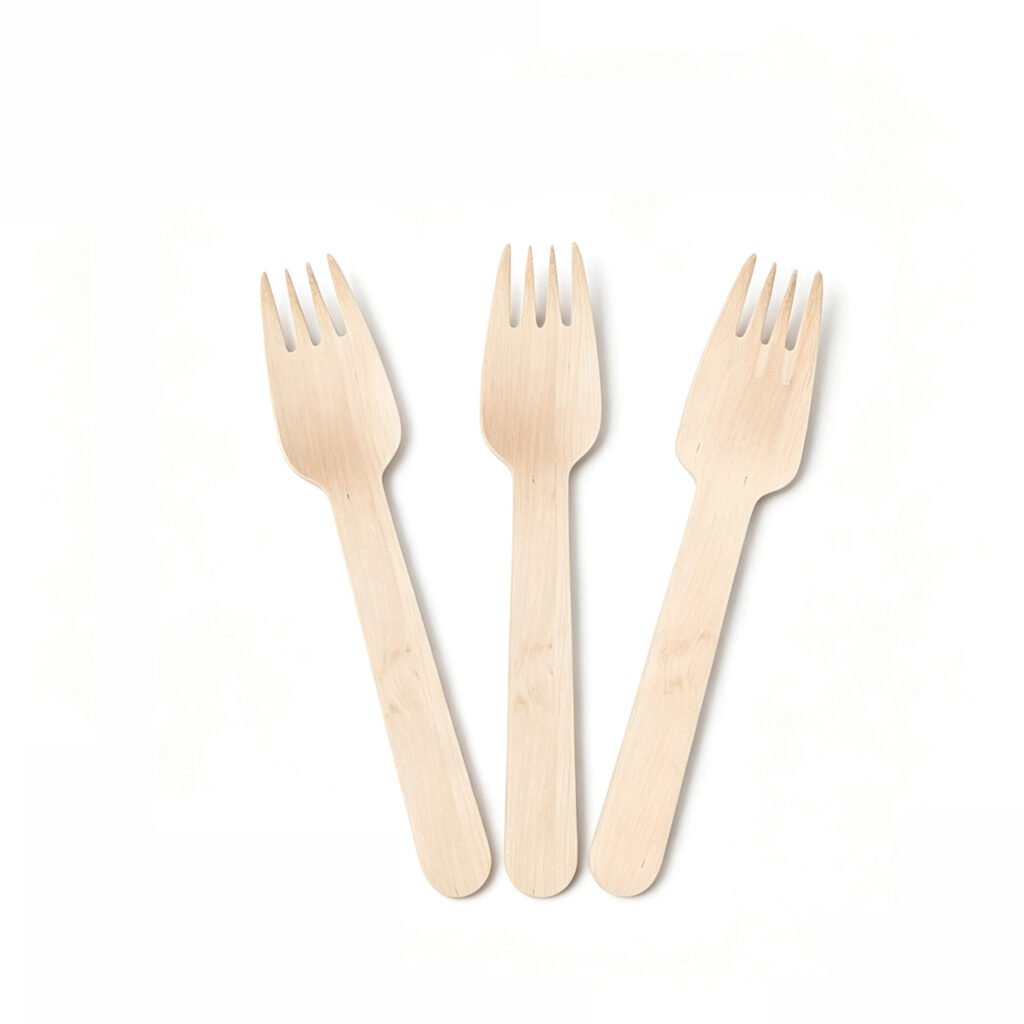
PLA Cutlery
PLA cutlery is made from plant-based materials and looks similar to traditional plastic products.
Advantages:
✔ Lightweight
✔ Smooth appearance
✔ Renewable material
Best for:
- Cold foods
- Desserts
- Beverage services
PLA products are generally not recommended for high-temperature applications.
3. Check Food Safety Standards
For international buyers, food safety is one of the most important factors.
Reliable disposable tableware suppliers should provide certifications such as:
- FDA compliance
- LFGB compliance
- BRC certification
- ISO 22000
- SGS testing
These certifications help ensure products are safe for direct food contact.
4. Consider Environmental Requirements
Many countries are introducing stricter regulations on single-use plastics.
Businesses are increasingly choosing:
- Compostable tableware
- Plastic-free packaging
- Renewable materials
- Sustainable food containers
For European and North American markets, certifications such as:
can provide additional confidence for buyers.
5. Balance Quality and Cost
The cheapest option is not always the best choice.
Low-quality disposable tableware may cause problems such as:
- Leakage
- Breaking during transportation
- Poor customer experience
- Negative brand image
A professional buyer should evaluate:
- Product quality
- Material performance
- Packaging efficiency
- Shipping cost
- Supplier reliability
A slightly higher-quality product can often reduce overall business costs.
6. Choose a Reliable Supplier
When purchasing wholesale disposable tableware, consider:
Production Capacity
Can the supplier handle large orders?
Customization Ability
Can they provide:
- Custom sizes
- Custom packaging
- Private labeling
- OEM services
Quality Control
A professional factory should have:
- Raw material inspection
- Production monitoring
- Finished product testing
Export Experience
Experienced suppliers understand:
- International standards
- Shipping requirements
- Documentation
- Market regulations
Recommended Tableware by Business Type
| Business Type |
Recommended Products |
| Restaurant |
Bagasse plates, bowls, containers |
| Café |
Paper cups, trays, PLA products |
| Hotel |
Bamboo and premium disposable products |
| Buffet |
Bagasse and bamboo tableware |
| Food Truck |
Bagasse containers |
| Wedding |
Bamboo and premium eco tableware |
| Party Events |
Paper and compostable products |
Conclusion
Choosing the best disposable tableware depends on your business type, food application, budget, and sustainability goals.
For most restaurants and takeaway businesses, bagasse tableware provides the best balance of strength, environmental performance, and cost efficiency.
For premium events and hospitality, bamboo tableware creates a more natural and elegant experience.
For cafés and promotional events, paper tableware offers excellent customization opportunities.
By selecting the right material and working with a reliable supplier, businesses can improve customer satisfaction while building a more sustainable future.